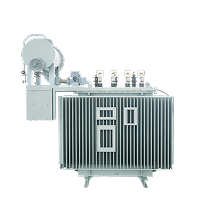
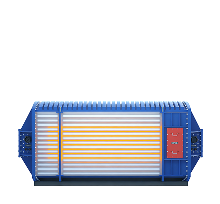
Oil-immersed transformers use transformer oil as both an insulating and cooling medium. The oil provides electrical insulation for the core and windings, and also absorbs and transfers heat generated during operation. Through oil circulation and external cooling radiators, the heat is efficiently dissipated, ensuring stable and safe performance. In addition, the transformer tank is highly sealed with strong protection against leakage and typically has a high ingress protection level, allowing it to withstand outdoor conditions such as rain, wind, and sunlight.
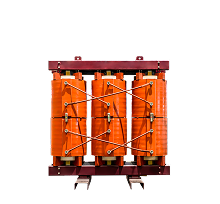
The selection depends on cost, capacity, environment, and safety requirements: Cost & capacity: Dry-type transformers are more expensive, while oil-immersed types support larger capacities. Installation environment: Dry-type is used in indoor, basement, and crowded areas; oil-immersed is suitable for open spaces. Environmental conditions: Oil-immersed performs better in humid locations. Safety requirements: Dry-type is preferred for fire- and explosion-sensitive sites such as hospitals and commercial buildings. Operation: Dry-type runs at rated capacity, while oil-immersed allows short-term overload. In summary: dry-type for high-safety indoor use, oil-immersed for high-capacity and cost-effective outdoor applications.
Oil-immersed transformers can be classified as follows: 1. By Phase Type Three-phase transformers (most commonly used in power systems) Single-phase transformers (can be combined into transformer banks when needed) 2. By Winding Configuration Double-winding transformers (most common type) Three-winding transformers (used for large-capacity applications and multiple voltage levels) Multi-winding transformers (for special system requirements) 3. By Structural Type Core-type transformers (most widely used in power systems) Shell-type transformers 4. By Insulation & Cooling Method Oil-immersed transformers (using oil for insulation and cooling) Dry-type transformers (no oil, used in special environments such as indoor or mining applications)
1. Non-sealed Oil-immersed Transformers Typical models: S8, S9, S10 series Applications: Widely used in industrial plants, agriculture, and residential buildings for general power distribution. 2. Sealed Oil-immersed Transformers Typical models: S9, S9-M, S10-M series Applications: Suitable for harsh environments such as oil, chemical, and industrial sites with dust, oil mist, or corrosive substances. 3. Fully Sealed Oil-immersed Transformers Typical models: BS9, S9-, S10-, S11-MR, SH, SH12-M series Applications: Used in industrial, agricultural, and civil power distribution systems, offering better protection and lower maintenance requirements.
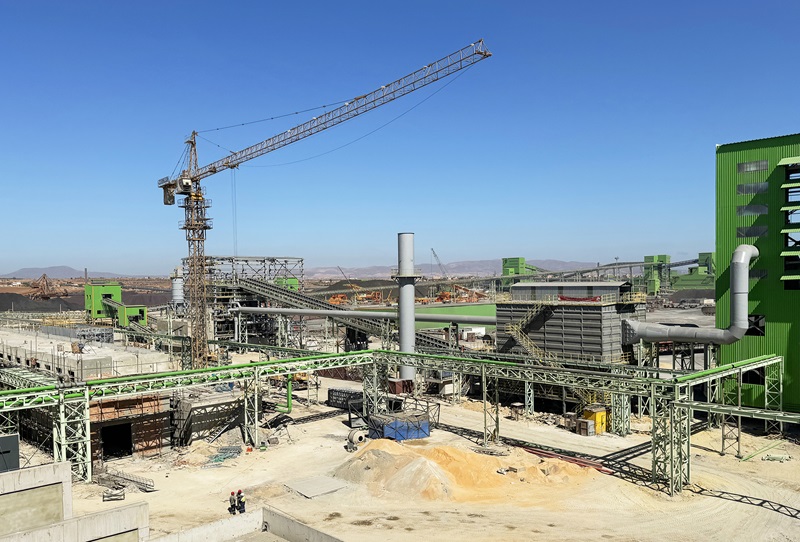
习近平总书记在“一带一路”倡议十周年重要讲话中指出,“更加主动融入和服务构建新发展格局,更加深度融入共建‘一带一路’大格局,在扩大对内对外开放中强动力、增活力,打开发展新天地。” 十余年来,中电电气积极践行共建“一带一路”倡议,围绕互利共赢、合作共建、共同发展理念,带动中国技术、中国标准“出海远航”
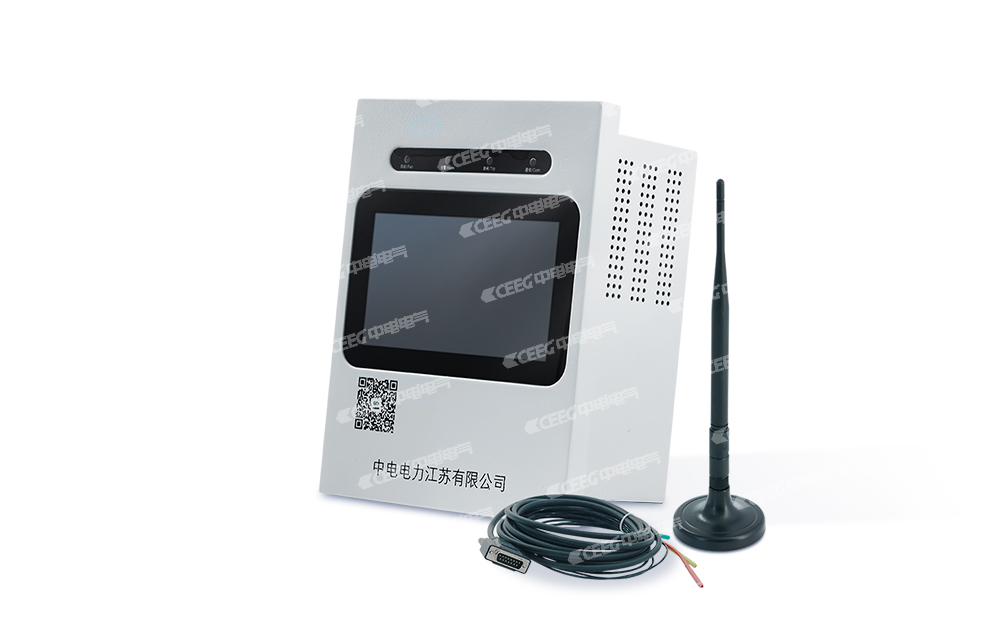
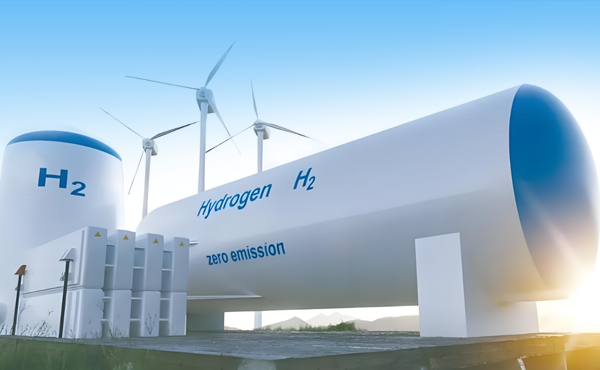
The Jilin Daan wind-solar hydrogen-to-ammonia integration project is designed based on a full industrial chain concept of “green hydrogen consuming green electricity, green ammonia consuming green hydrogen, and integrated source-grid-load-storage coordination.” After commissioning, the project is expected to produce 32,000 tons of green hydrogen and 180,000 tons of green ammonia annually, reducing carbon emissions by approximately 650,000 tons per year and saving 230,000 tons of standard coal. The project adopts the CEEG ZHSSFT-12500/10 oil-immersed transformer, which features high overload capability, long service life, high reliability, and strong operational safety, ensuring stable performance for large-scale integrated energy systems.
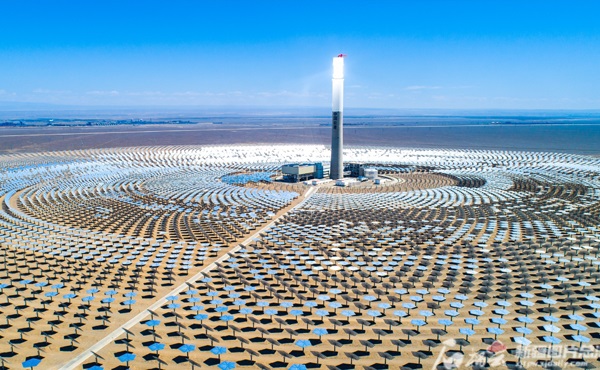
The Korla New Energy Hydrogen Production Project in Xinjiang is the first off-grid photovoltaic green hydrogen integrated application project in the region. As the first “New Energy + Hydrogen Energy” source-grid-load-storage-hydrogen integrated project in Bazhou, it consists of three main sections: photovoltaic power generation, hydrogen production and refueling station, and hydrogen energy application. To ensure the high-quality commissioning of the project, CEEG developed and manufactured the ZSCB-3920/6.3 dry-type rectifier transformer. The product features low partial discharge, strong harmonic resistance, high overload capacity, and high efficiency, ensuring reliable operation under complex power conversion conditions.
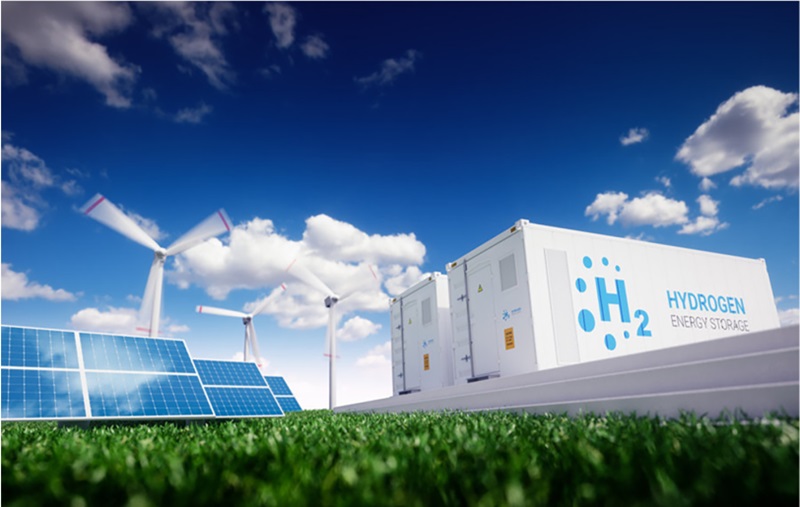
The Narisu Project is the first batch of wind-solar-hydrogen integration demonstration projects in Inner Mongolia Autonomous Region, and it is also the first and largest ten-thousand-ton-scale new energy hydrogen production project in Ordos, Inner Mongolia, and even in China and globally. The project is jointly developed by China Three Gorges New Energy (Group) Co., Ltd. and Man Shi Investment Group Co., Ltd. The project utilizes a reclaimed mining area for the construction of a photovoltaic power station, with an average annual power generation of approximately 740 million kWh. Of this, 20% is directly supplied to the local grid, while the remaining 80% is used for green hydrogen production. The project adopts CEEG’s independently developed, designed, and manufactured ZHSS-12000/35 24-pulse IGBT hydrogen rectifier transformer, ensuring high-efficiency, stable, and reliable power conversion for large-scale hydrogen production applications.
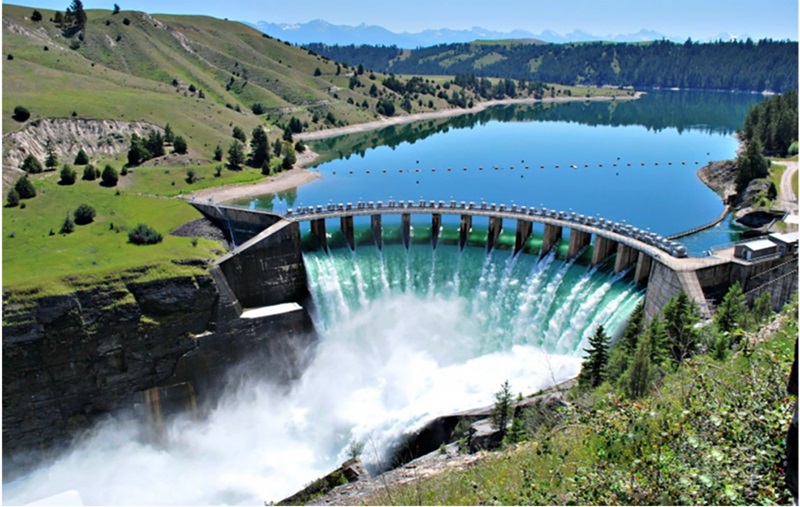
The Canada single-unit 1000 m³ hydrogen production project adopts the CEEG ZHSZCB-5800/35kV hydrogen production dry-type rectifier transformer. CEEG dry-type rectifier transformers utilize a new insulation structure and advanced manufacturing processes, significantly improving short-circuit withstand capability and electrical strength, ensuring excellent performance and high reliability. During the design stage, full consideration is given to the impact of harmonics generated by rectifier components on transformer windings and core. Sufficient design margin allows the windings and core to withstand additional temperature rise caused by harmonics while maintaining low noise levels and ensuring extended service life. In addition, the system simplifies the grid configuration and can be integrated directly with rectifiers and other electrical equipment. It does not require a separate distribution room, thereby reducing initial investment costs.