


Building a Megawatt (MW) ultra-fast EV charging station for heavy-duty electric trucks and fleet depots is a major capital investment. However, if equipment selection goes wrong during the engineering phase, operational profits will quickly bleed away.
Uncontrolled harmonic distortion triggering grid power limits, equipment thermal derating during peak summer temperatures, inefficient power sharing among multiple EVs, and inflated electricity bills—these critical failure points rarely show up on basic datasheets. They only appear after commissioning, when fixes become prohibitively expensive.
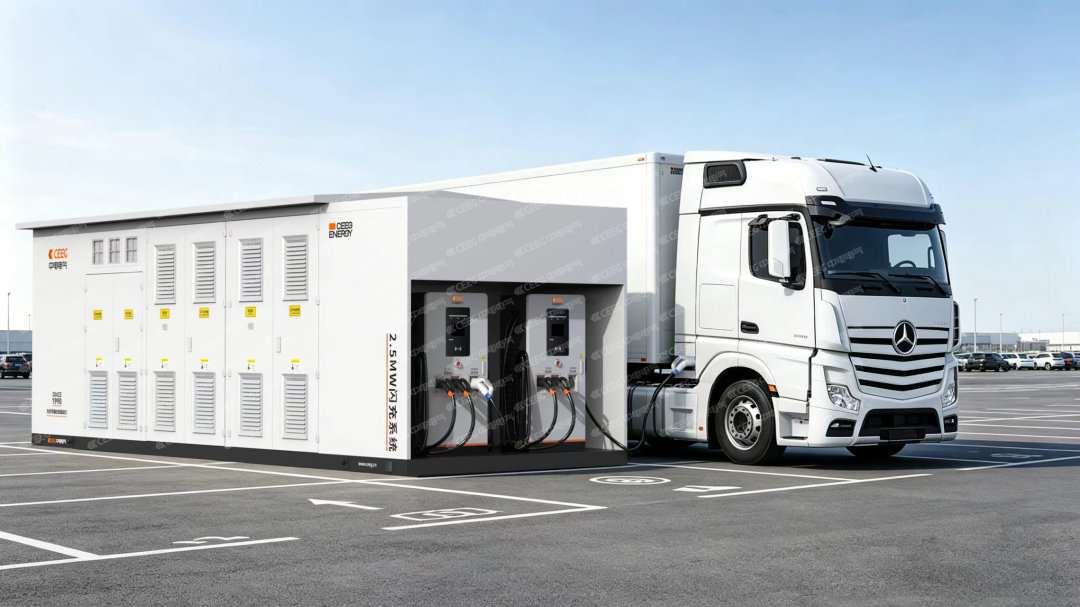
As a leading transformer and substation manufacturer with over 30 years of power engineering expertise, CEEG addresses these operational pain points directly with our integrated Megawatt Flash Charging Substation. Here is how our engineering answers the industry's toughest challenges.
1. Harmonic Distortion: Active Source Suppression vs. Costly After-Treatment
The Problem:
Megawatt-level charging creates massive power fluctuations and high-frequency non-linear loads. Harmonic pollution leads to severe power losses, cable overheating, violent transformer vibration, and frequent false trips of protective relays. Traditional solutions rely on external active harmonic filters (AHF)—adding extra equipment costs, taking up valuable site footprint, and consuming additional parasitic energy.
CEEG’s Solution:
Why treat harmonics when you can eliminate them at the source?
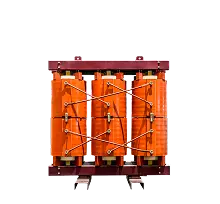
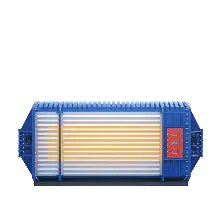
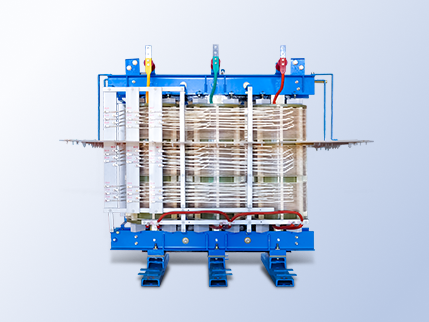
CEEG’s Megawatt Flash Charging Substation integrates a multi-pulse phase-shifting rectifier transformer. By phase-shifting the secondary windings, characteristic harmonic currents naturally cancel each other out on the DC bus.
Zero External Filtering Required: Eliminates the need for bulky external AHF cabinets.
Lower CAPEX: Saves on initial equipment purchases, space allocation, and ongoing auxiliary power consumption.
2. Overall Efficiency: How a 2% Efficiency Gap Costs $30,000+ Annually
The Problem:
When procuring substations, many Charge Point Operators (CPOs) focus solely on initial hardware costs, ignoring whole-system efficiency. Yet, energy loss occurs every single second. A typical market solution operates at around 94.5% overall topology efficiency.
CEEG’s Transformer Solution:
CEEG’s flash charging substation achieves a continuous full-link power efficiency of over 96.5%.
The ROI Calculation:
Consider a 2.5 MW ultra-fast charging station delivering 12,000,000 kWh annually:
A 2% efficiency gain saves 240,000 kWh of wasted energy per year.
At an average commercial electricity rate, this translates to saving $25,000 – $35,000+ every single year.
Over a 10-year operational lifecycle, this efficiency boost directly shortens your investment payback period by 6 to 12 months.
3. Power Distribution: Static Allocation vs. Dynamic Flexible Scheduling
The Problem:
Traditional charging architectures use rigid "power slicing." If a 600 kW e-truck arrives at a station with fixed 200 kW terminal caps, the driver faces long waiting times. Conversely, if a smaller EV connects to a 200 kW port but only draws 60 kW, 140 kW of capacity sits idle.
CEEG’s Transformer Solution:
CEEG utilizes an intelligent dynamic power-sharing matrix. The substation continuously monitors real-time battery management system (BMS) voltage and state of charge (SoC) from every connected vehicle:
Compatible Across Voltage Platforms: Seamlessly balances 400V, 800V, and 1000V heavy-duty truck architectures.
Hybrid Parallel Output: Dynamically allocates power between fast-charging and ultra-fast charging terminals simultaneously. Zero capacity is wasted, and no terminal is starved for power.
4. Footprint & Civil Works: Modular Prefabrication Cuts Deployment Time by 50%
The Problem:
Urban land lease costs are high, and traditional "site-built" charging stations require separate switchgear rooms, transformer pads, rectifier cabinets, and charger dispensers. This fragmented layout inflates footprint requirements and stretches civil construction to several months.
CEEG’s Transformer Solution:
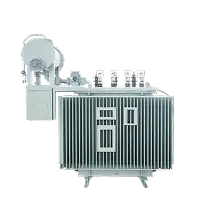
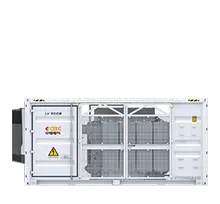
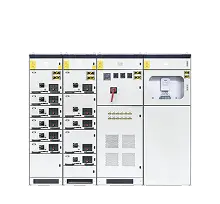
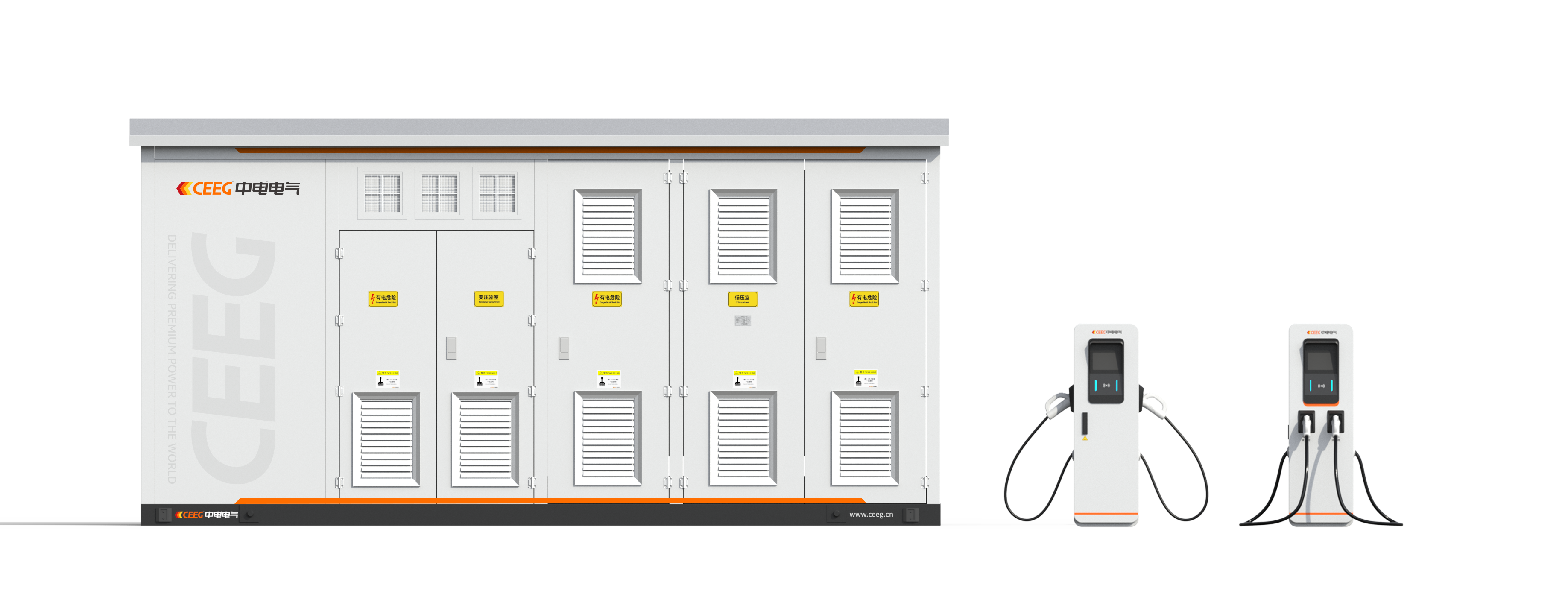
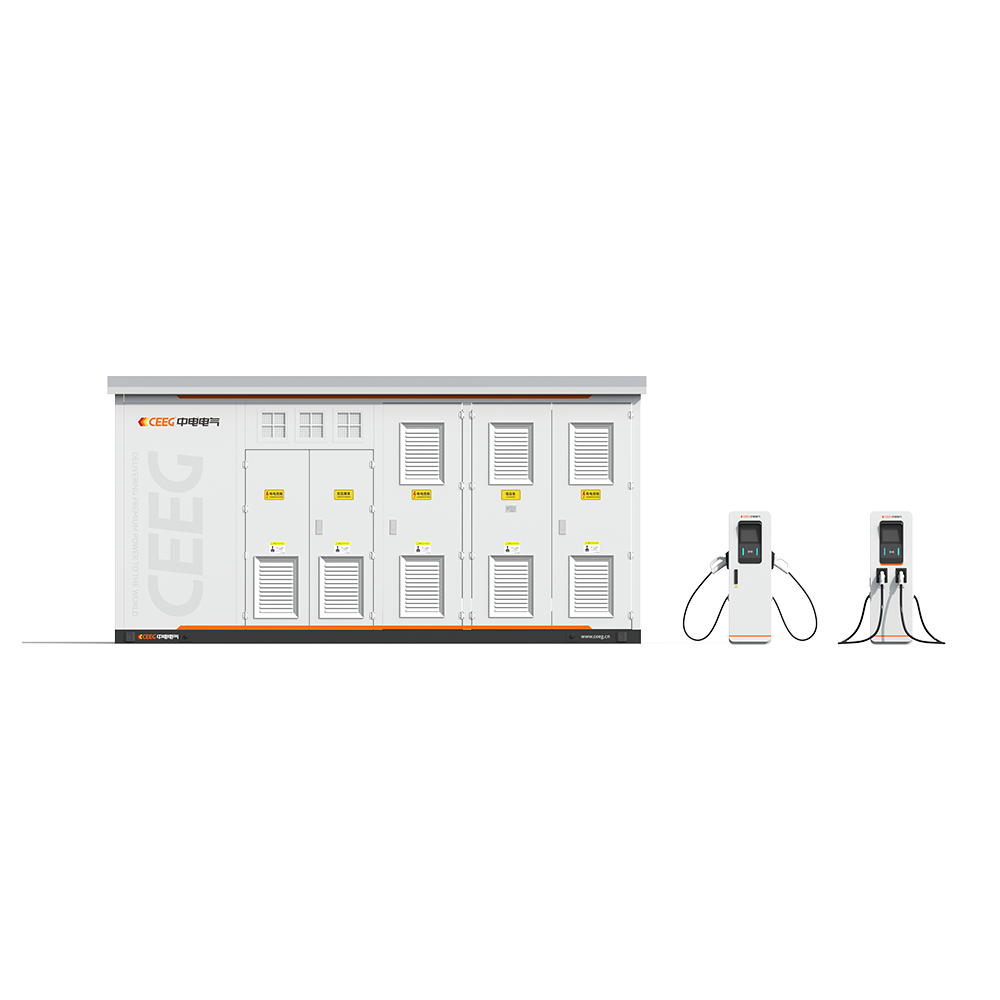
CEEG combines the high-voltage switchgear, transformer, rectification, power conversion, and intelligent control modules into a single, compact, factory-prefabricated containerized substation.
Benefit: Generating revenue a full month earlier means reduced land rental costs and immediate cash flow for your business.
The Bottom Line: Think 10 Years Ahead on EV Infrastructure
Procuring EV charging infrastructure isn't just about buying hardware; it's about managing your Total Cost of Ownership (TCO) across a 5-to-10-year lifecycle. Harmonic mitigation, power losses, spatial footprint, and deployment timelines are hidden operational costs that can eat away at your profit margins if ignored.
CEEG’s Megawatt Flash Charging Substation is engineered to protect your long-term ROI from day one.
Partner with CEEG for Your Next EV Infrastructure Project
Planning an EV charging hub for heavy-duty fleets, highway service plazas, or urban logistics centers?
👉 [Contact CEEG’s Transformer Engineering Team] today to receive a customized technical proposal and single-line diagram (SLD) tailored to your grid standards (IEC / IEEE / ANSI)