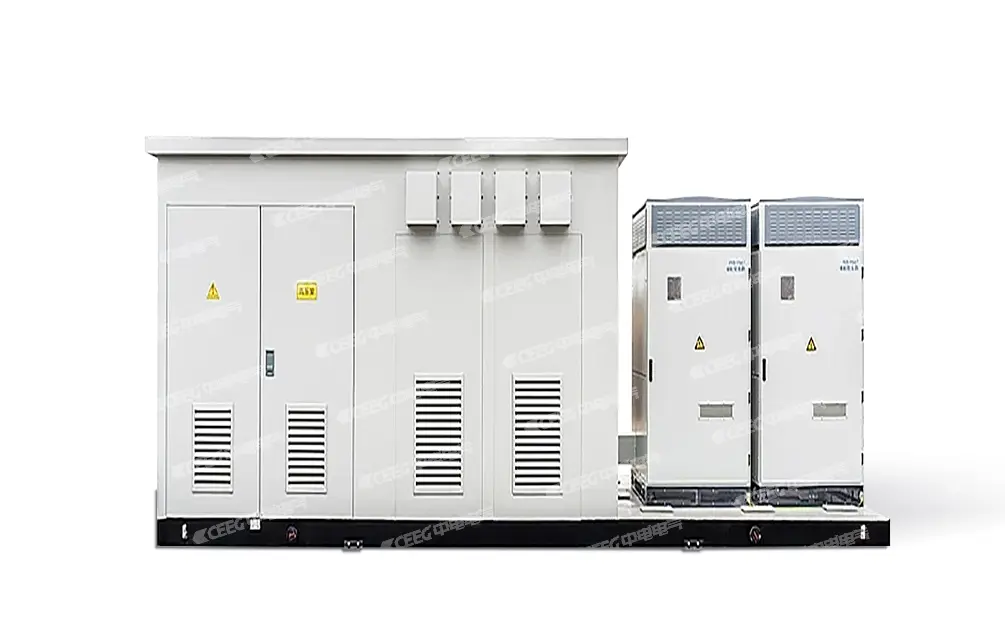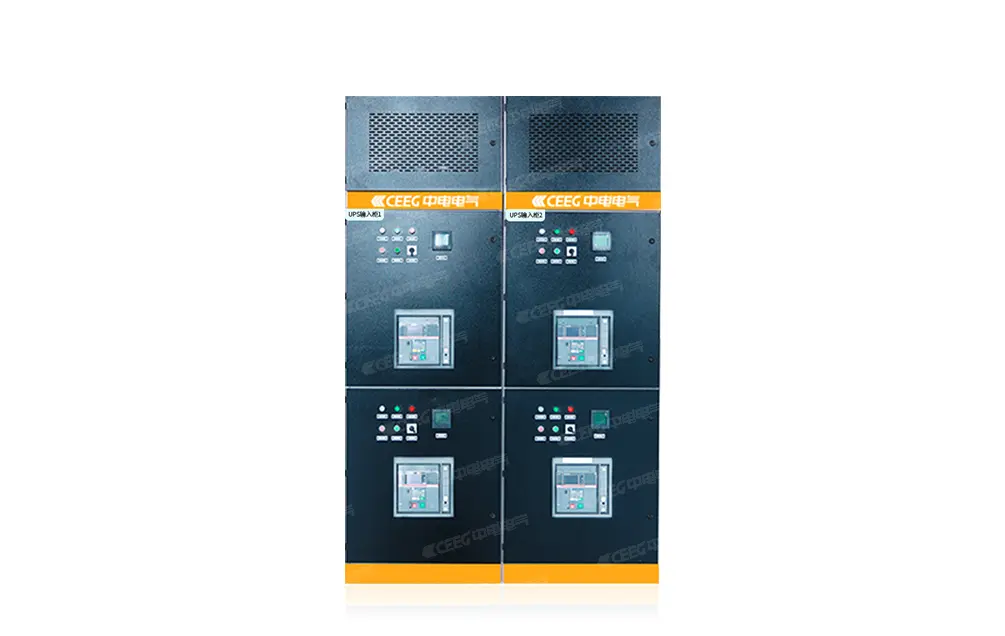
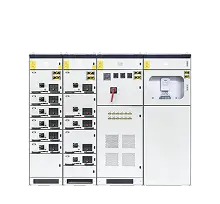
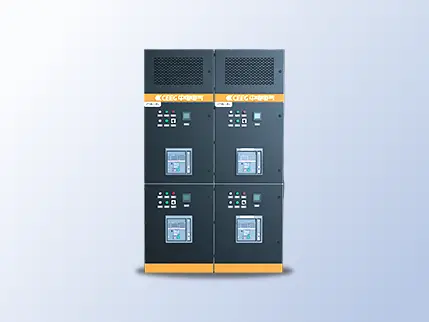
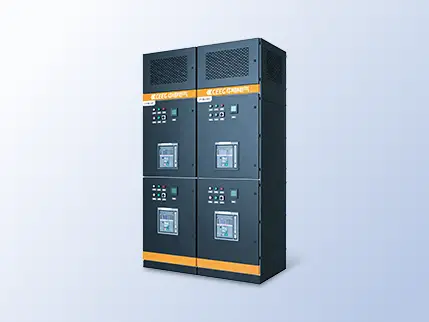
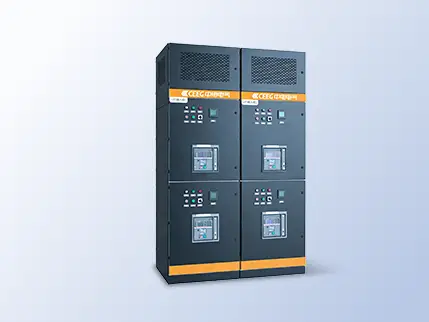


CEEG UPS Input Cabinet
Adopting a highly reliable three-level rectifier architecture, the system supports multiple power inputs including utility grid and renewable energy sources. It optimizes rectification performance, reducing distribution infrastructure costs at the source while simplifying system wiring. The modular design enables plug-and-play functionality and both front and rear maintenance, ensuring flexibility to accommodate current and future load characteristics as well as renewable energy grid integration requirements.
Scope of application
Data Centers
Designed for medium and large-scale IDC facilities, supporting multi-power input and high-reliability rectification to ensure stable and efficient power supply.
Critical Industry Facilities
Suitable for financial institutions, telecom operators, and government or enterprise data rooms, with a focus on maintainability and scalability.
Continuous Power Supply Environments
Ideal for factories, hospitals, and rail transit systems, ensuring uninterrupted and stable power supply for critical operations.
Product Description
1 Flexible Capacity Configuration: A single system supports 300 kVA to 9.6 MVA, covering applications from small and medium-sized server rooms to hyperscale data centers.
2 High-Efficiency Three-Level Rectification: Advanced three-level rectifier technology reduces input harmonics, improves power factor, and lowers upstream infrastructure investment.
3 Modular Integrated Architecture: Highly integrated power and distribution design with a compact structure, minimizing construction workload and enabling plug-and-play deployment on site.
4 Multi-Power Input Compatibility: Supports multiple power sources including utility grid, diesel generators, renewable energy, and energy storage systems.
Product Features
High Output Power Factor
Supports full active power output, optimizing power distribution efficiency and ensuring better compatibility with modern IT loads.
Comprehensive Energy Efficiency
System efficiency reaches up to 96%, saving over 11,000 kWh annually, effectively reducing total cost of ownership (TCO) across the lifecycle.
Strong Renewable Energy Integration
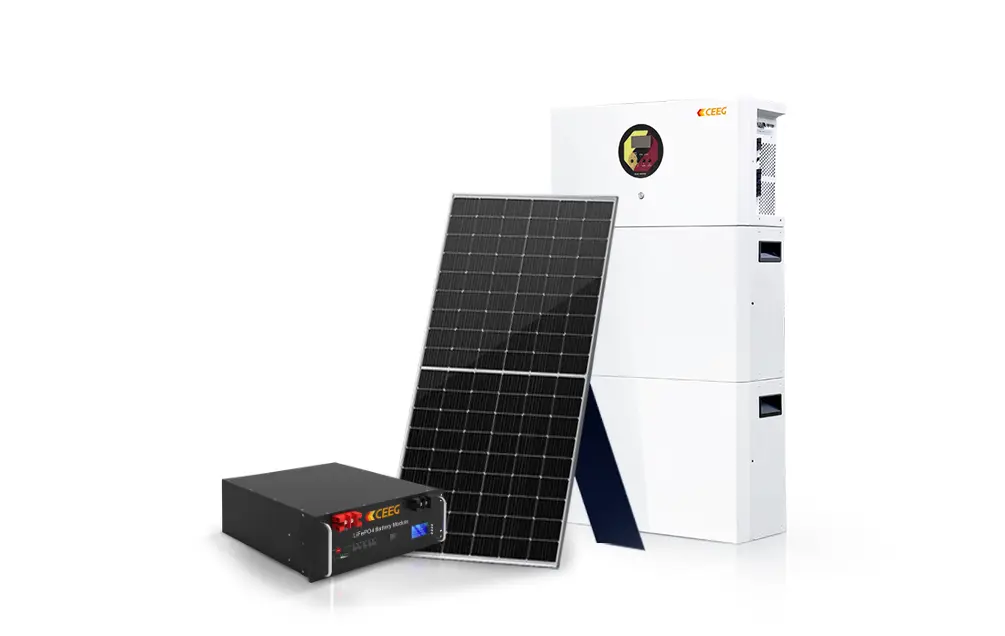
Equipped with independent DC/DC modules, compatible with photovoltaic, wind power, and lithium battery energy storage systems, supporting peak shaving and valley filling while promoting green energy utilization and carbon reduction goals.
Intelligent Operation & Maintenance
Supports remote monitoring, fault warning, and predictive maintenance, enabling the power system to evolve from reactive response to proactive management.
High-Reliability Architecture
Adopts a three-level rectifier topology with lower input harmonics and smoother current, enhancing overall system reliability.
Modular & Scalable Design
Power modules support hot-swapping and on-demand capacity expansion, enabling convenient online maintenance and minimizing system downtime.
Main Parameters
Capacity Range 300 kVA – 9600 kVA
Input Voltage 380/400/415 VAC (Three-phase)
Output Power Factor 1.0 (supports 100% active load)
Rectification Type Three-level IGBT rectifier
Implementation Standard
GB/T 7261-2019 Technical Requirements for Uninterruptible Power Supply (UPS) Systems
GB 4943.1-2022 Safety Requirements for Information Technology Equipment
YD/T 1095-2020 General Specification for Communication Power Supply Systems
IEC 62040-1/2/3 International Standards for Uninterruptible Power Systems (UPS)
Technical Advantages
Modular Intelligent Design
Plug-and-play, highly integrated all-in-one architecture simplifies on-site installation and reduces manual cabling workload by over 80%.
Energy Saving & Consumption Reduction
System efficiency reaches up to 96%, reducing the required capacity of generators, transformer size, and cable specifications. Annual energy savings can reach up to 11,000 kWh, with electricity cost savings exceeding RMB 400,000.
Renewable Energy Integration
Supports integration with photovoltaic and wind power systems, enabling peak shaving and valley filling, reducing renewable energy curtailment, improving overall energy utilization efficiency, and building a green data center infrastructure.
Consult Now
Recommended Related More