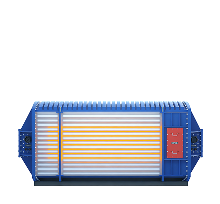
1. Efficiency performance: Pay attention to both rated efficiency and load efficiency. Standard models usually achieve over 95% efficiency, while high-performance models can exceed 97%. 2. Temperature rise and losses: Select appropriate capacity and temperature rise design to control long-term losses and ensure stable, long-life operation. 3. Environmental adaptability: Consider installation conditions such as temperature, humidity, and altitude, and choose a model suitable for the specific operating environment. 4. Economy and reliability: Evaluate purchase cost, maintenance cost, and operational reliability to ensure good cost performance and stable long-term investment return.
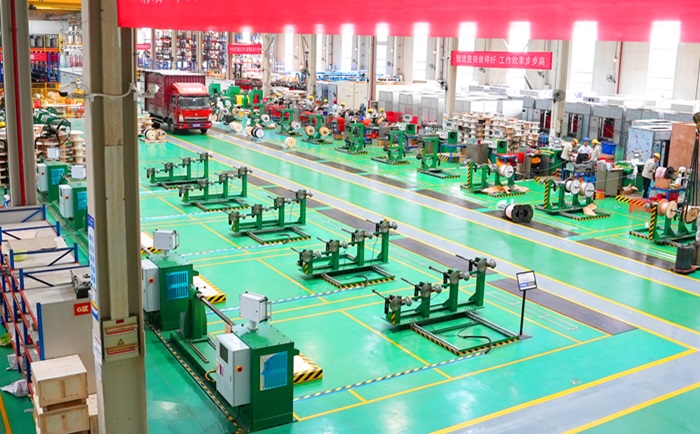
1. High hardness and difficult processing: Amorphous alloy strips are very hard and difficult to cut with conventional tools, so designs must minimize cutting and mechanical damage. 2. Thin and uneven material surface: The material is very thin and not perfectly flat, resulting in a lower core stacking factor and requiring optimized structural design to improve core density and performance. 3. Sensitive to mechanical stress: Amorphous alloy is easily damaged by stress, so the core cannot be used as a main load-bearing structure, and stress concentration must be avoided in design. 4. Annealing requirement: Core sheets must undergo annealing treatment to improve magnetic properties and reduce core losses. 5. Electrical performance optimization: Core structures are often designed with multiple independent frames to reduce cutting losses and improve magnetic balance, helping suppress harmonic effects and improve waveform quality.

1. Urban power networks: Widely used in city grids and distribution systems to reduce no-load losses and improve overall energy efficiency under fluctuating loads. 2. Residential communities: Ideal for housing areas due to low energy consumption, helping reduce electricity costs while maintaining stable power supply. 3. Industrial and commercial areas: Used in industrial parks and business districts to improve energy utilization and reduce long-term operating costs. 4. Rural and remote grids: Suitable for areas with lower and less frequent loads, improving efficiency and reducing energy loss, making them cost-effective for grid upgrades.