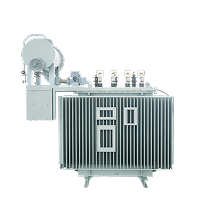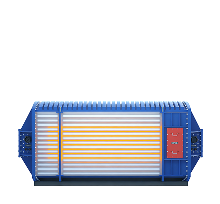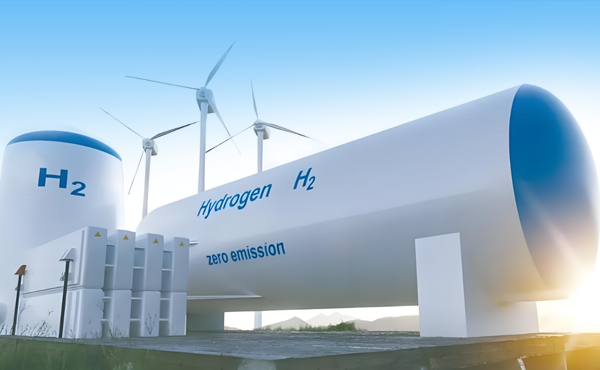
The Jilin Daan wind-solar hydrogen-to-ammonia integration project is designed based on a full industrial chain concept of “green hydrogen consuming green electricity, green ammonia consuming green hydrogen, and integrated source-grid-load-storage coordination.” After commissioning, the project is expected to produce 32,000 tons of green hydrogen and 180,000 tons of green ammonia annually, reducing carbon emissions by approximately 650,000 tons per year and saving 230,000 tons of standard coal. The project adopts the CEEG ZHSSFT-12500/10 oil-immersed transformer, which features high overload capability, long service life, high reliability, and strong operational safety, ensuring stable performance for large-scale integrated energy systems.
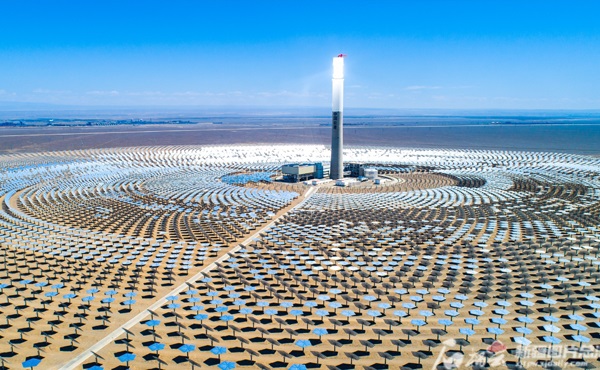
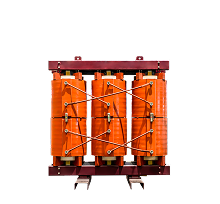
The Korla New Energy Hydrogen Production Project in Xinjiang is the first off-grid photovoltaic green hydrogen integrated application project in the region. As the first “New Energy + Hydrogen Energy” source-grid-load-storage-hydrogen integrated project in Bazhou, it consists of three main sections: photovoltaic power generation, hydrogen production and refueling station, and hydrogen energy application. To ensure the high-quality commissioning of the project, CEEG developed and manufactured the ZSCB-3920/6.3 dry-type rectifier transformer. The product features low partial discharge, strong harmonic resistance, high overload capacity, and high efficiency, ensuring reliable operation under complex power conversion conditions.
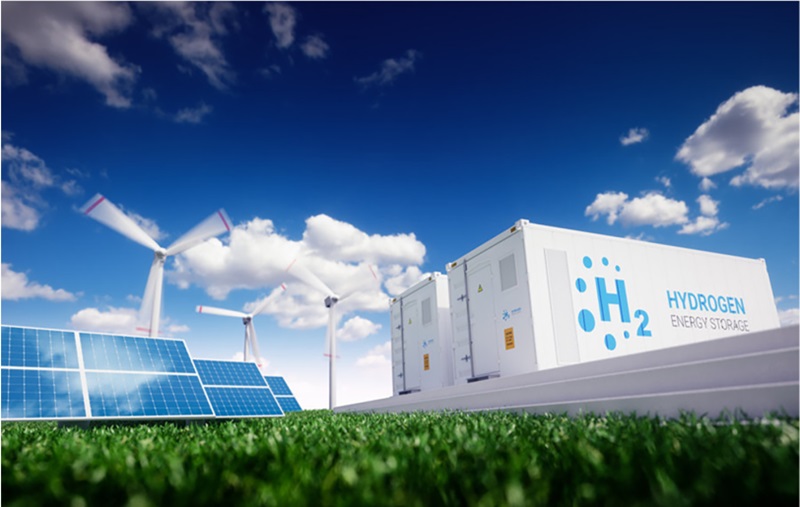
The Narisu Project is the first batch of wind-solar-hydrogen integration demonstration projects in Inner Mongolia Autonomous Region, and it is also the first and largest ten-thousand-ton-scale new energy hydrogen production project in Ordos, Inner Mongolia, and even in China and globally. The project is jointly developed by China Three Gorges New Energy (Group) Co., Ltd. and Man Shi Investment Group Co., Ltd. The project utilizes a reclaimed mining area for the construction of a photovoltaic power station, with an average annual power generation of approximately 740 million kWh. Of this, 20% is directly supplied to the local grid, while the remaining 80% is used for green hydrogen production. The project adopts CEEG’s independently developed, designed, and manufactured ZHSS-12000/35 24-pulse IGBT hydrogen rectifier transformer, ensuring high-efficiency, stable, and reliable power conversion for large-scale hydrogen production applications.
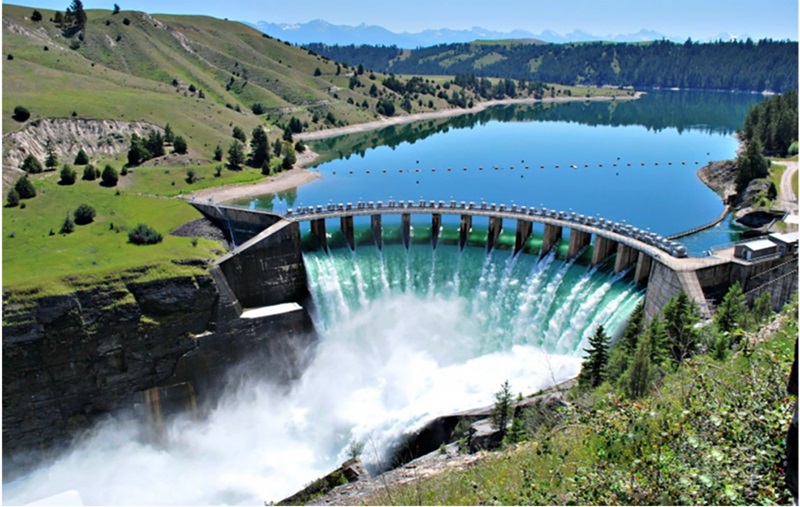
The Canada single-unit 1000 m³ hydrogen production project adopts the CEEG ZHSZCB-5800/35kV hydrogen production dry-type rectifier transformer. CEEG dry-type rectifier transformers utilize a new insulation structure and advanced manufacturing processes, significantly improving short-circuit withstand capability and electrical strength, ensuring excellent performance and high reliability. During the design stage, full consideration is given to the impact of harmonics generated by rectifier components on transformer windings and core. Sufficient design margin allows the windings and core to withstand additional temperature rise caused by harmonics while maintaining low noise levels and ensuring extended service life. In addition, the system simplifies the grid configuration and can be integrated directly with rectifiers and other electrical equipment. It does not require a separate distribution room, thereby reducing initial investment costs.
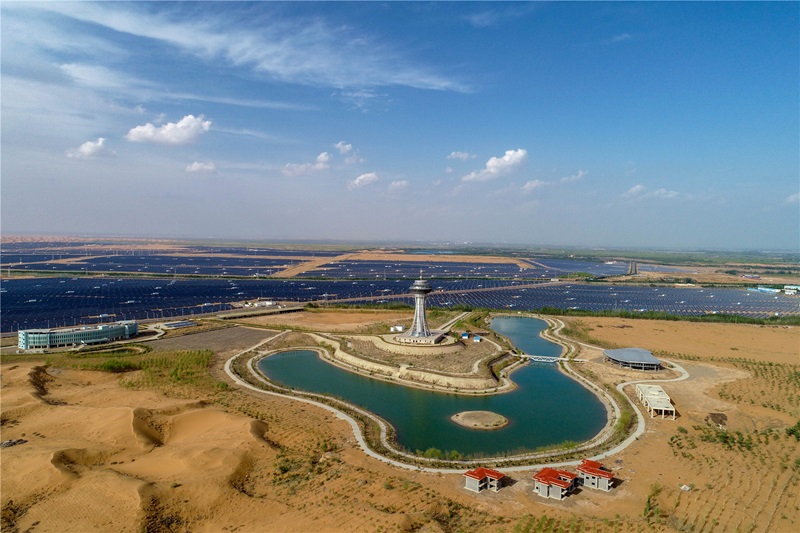
The Muhe Energy Storage Project in Ningxia has an energy storage capacity of 200MW/400MWh. On December 13, 2022, the 200MW/400MWh Muhe Energy Storage Power Station was successfully connected to the grid. After grid connection, the development of a low-carbon new energy power system in the Ningxia region has entered a new stage. The project achieved three industry-leading milestones in a single implementation: earliest grid connection, largest scale, and most advanced technology. The project adopts CEEG SC(B)-2300/36.5kV epoxy resin-cast dry-type transformers to ensure high reliability and stable operation under large-scale energy storage conditions.
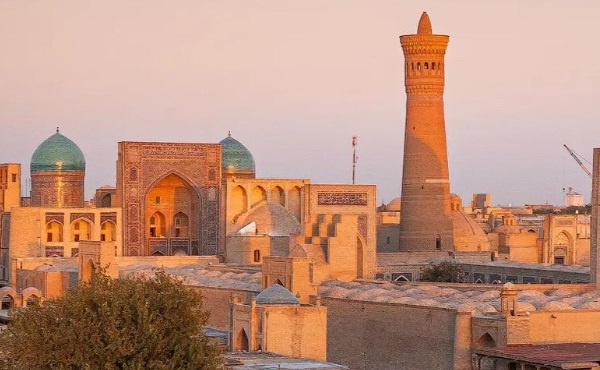
Uzbekistan is one of the world’s leading countries in terms of major mineral reserves and ranks among the top ten resource-rich nations. As a key node country in the Belt and Road Initiative, it is abundant in gold, silver, uranium, and other mineral resources, while its development level remains relatively low, indicating significant market potential and strong demand for high-quality distribution transformers and related electrical equipment. In 2021, CEEG’s mining flameproof explosion-proof substations were successfully exported and delivered with high quality, supporting the further development of local mineral resources and strengthening regional energy infrastructure.
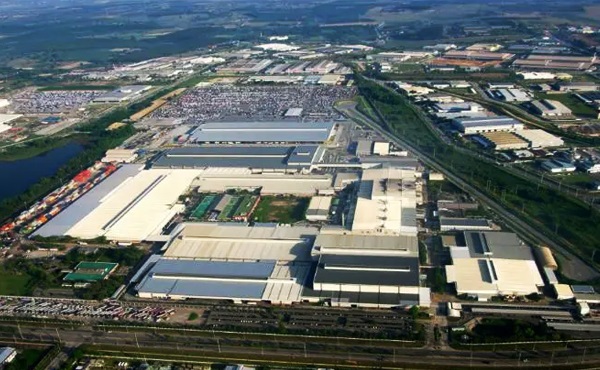
The Thailand production base is BYD’s first overseas passenger vehicle manufacturing facility. The project contributes to Thailand’s automotive industry electrification transformation and supports its vision of becoming a global electric vehicle manufacturing hub. During project construction, strict technical evaluation was conducted for key power equipment such as transformers. After expert review, CEEG SCB14 energy-efficient dry-type transformers were selected. The SCB14 series complies with China’s new Grade 2 energy efficiency standard, ensuring high operational efficiency and stable power supply for the overseas passenger vehicle production base.
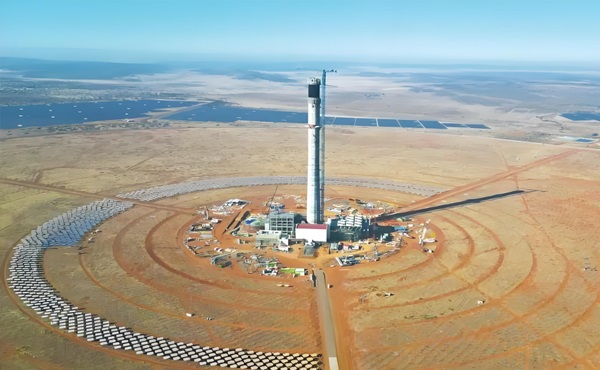
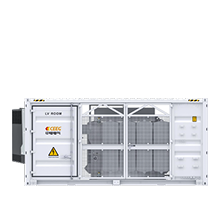
South Africa, the second-largest economy in Africa, has a well-developed energy and transportation sector and is globally recognized for its advanced deep mining technologies. The South Africa project introduces CEEG integrated solar-storage system solutions, featuring multiple advanced components with high safety performance and improved cost-efficiency. Currently, the products are widely applied in various scenarios, including photovoltaic energy storage, wind power storage, thermal power hybrid storage, and commercial & industrial energy storage systems.
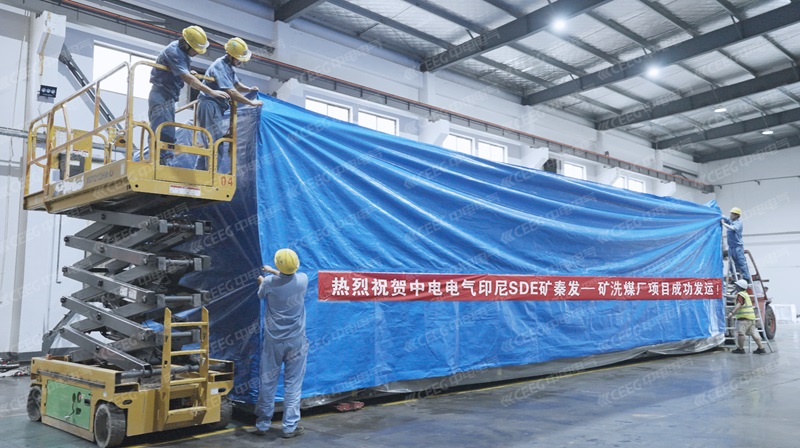
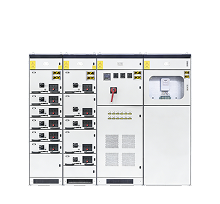
Indonesia, located in Southeast Asia, has coal reserves exceeding 100 billion tons and is China’s largest coal import source. The SDE Mine is Indonesia’s first large-scale underground mining project, marking the country’s shift toward underground coal mining and playing an important role in the transformation of its mining industry and energy structure. CEEG’s R&D team worked closely with the customer to develop customized prefabricated intelligent substations. These solutions integrate advanced automation and high-efficiency equipment, offering easy installation, intelligent O&M, and energy-saving performance. They will be applied in the SDE Qinfa No.1 coal preparation plant project, further strengthening CEEG’s presence in the international market.

The 20MW photovoltaic energy storage project in Zanda, Tibet, is a guaranteed PV project located in Toring Town, Zanda County, Ali Prefecture. The project site features significant terrain variation, with elevations ranging from 3,600 m to 3,800 m above sea level. It is approximately 4.8 km southeast of the county seat, and County Road 705 passes through the northern side of the site, providing convenient transportation and favorable conditions for construction and operation. The project has an installed capacity of 20MW and is equipped with a 20% capacity, 5-hour energy storage system (4MW/20MWh). A new 35kV switch station has been constructed as part of the project. The system adopts CEEG SC(B)-2300/36.5kV epoxy resin-cast dry-type transformers to ensure reliable operation under high-altitude and complex environmental conditions.