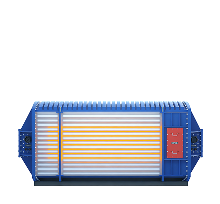
1. High hardness and difficult processing: Amorphous alloy strips are very hard and difficult to cut with conventional tools, so designs must minimize cutting and mechanical damage. 2. Thin and uneven material surface: The material is very thin and not perfectly flat, resulting in a lower core stacking factor and requiring optimized structural design to improve core density and performance. 3. Sensitive to mechanical stress: Amorphous alloy is easily damaged by stress, so the core cannot be used as a main load-bearing structure, and stress concentration must be avoided in design. 4. Annealing requirement: Core sheets must undergo annealing treatment to improve magnetic properties and reduce core losses. 5. Electrical performance optimization: Core structures are often designed with multiple independent frames to reduce cutting losses and improve magnetic balance, helping suppress harmonic effects and improve waveform quality.
1. Urban power networks: Widely used in city grids and distribution systems to reduce no-load losses and improve overall energy efficiency under fluctuating loads. 2. Residential communities: Ideal for housing areas due to low energy consumption, helping reduce electricity costs while maintaining stable power supply. 3. Industrial and commercial areas: Used in industrial parks and business districts to improve energy utilization and reduce long-term operating costs. 4. Rural and remote grids: Suitable for areas with lower and less frequent loads, improving efficiency and reducing energy loss, making them cost-effective for grid upgrades.
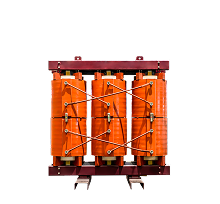
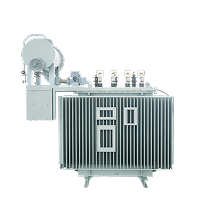
1. By Insulation & Cooling Medium Dry-Type Transformer (e.g., epoxy resin cast SCB type, H-class insulated SGB type) Oil-Immersed Transformer 2. By Core Material / Structure Silicon steel laminated core transformer Silicon steel wound core transformer Amorphous alloy core transformer 3. By Energy Efficiency Standard SJ, S7, S9, S11, S13, S15 series (higher series indicates better energy efficiency) 4. By Phase Type Single-phase transformer Three-phase transformer 5. By Capacity (kVA Rating) Common standardized ratings include: 50, 80, 100, 125, 160, 200, 250, 315, 400, 500, 630, 800, 1000, 1250, 1600, 2000, 2500, 3150, 4000, and 5000 kVA, following standard R10 preferred series values.
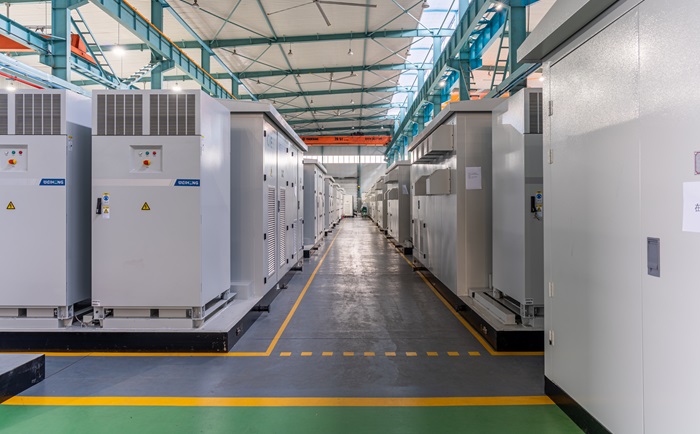
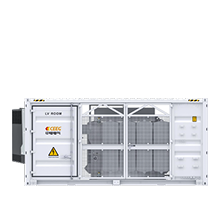
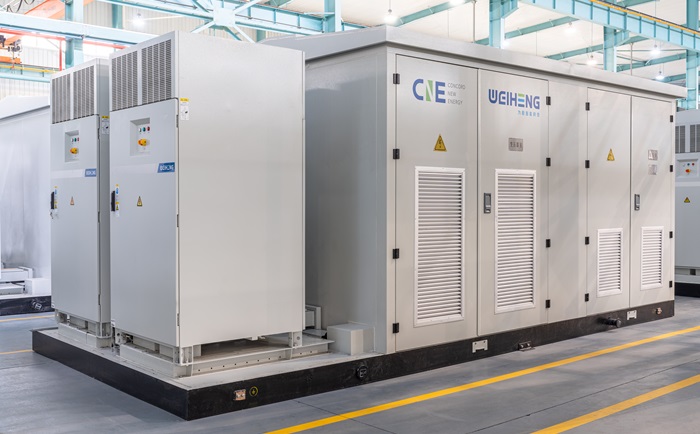
Function: In photovoltaic power systems, a PV step-up transformer plays a key role in power conversion and grid integration. It converts the generated electricity into a grid-compatible form, increases voltage for efficient transmission, and provides electrical isolation. It also helps stabilize power quality and protects PV equipment from grid voltage fluctuations, ensuring safe and reliable system operation. Applications: PV step-up transformers are widely used in solar power systems of different scales: Residential PV systems: Support grid connection and allow users to consume solar power and export surplus energy. Commercial PV systems: Help businesses reduce electricity costs and improve energy efficiency. Utility-scale solar plants: Essential equipment for large photovoltaic power stations, enabling stable transmission and supporting clean energy transition.
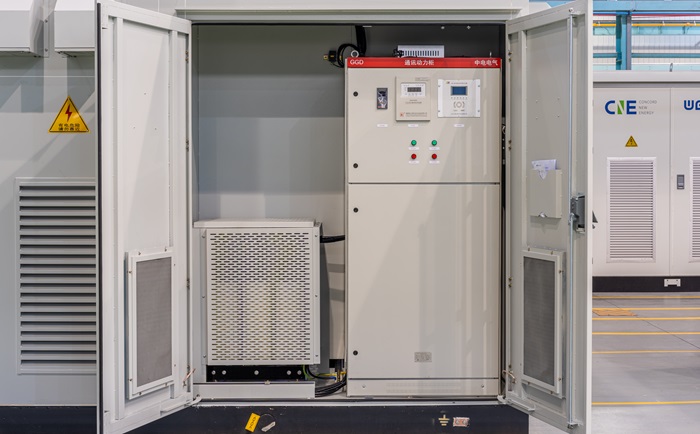
1. Power (Generation) Transformers: Used in power plants to step up voltage for long-distance transmission. They are typically high-capacity and high-voltage units. 2. Transmission Transformers: Installed in transmission systems to transfer electricity over long distances between generation and distribution networks, reducing energy loss through high-voltage operation. 3. Distribution Transformers: Used in urban and rural distribution networks to step down high voltage to usable levels for residential, commercial, and industrial users. This is the most common type in box substations. 4. Special-Purpose Transformers: Custom-designed for specific industrial applications such as metallurgy, electric furnaces, and welding systems, with tailored performance and operating requirements.
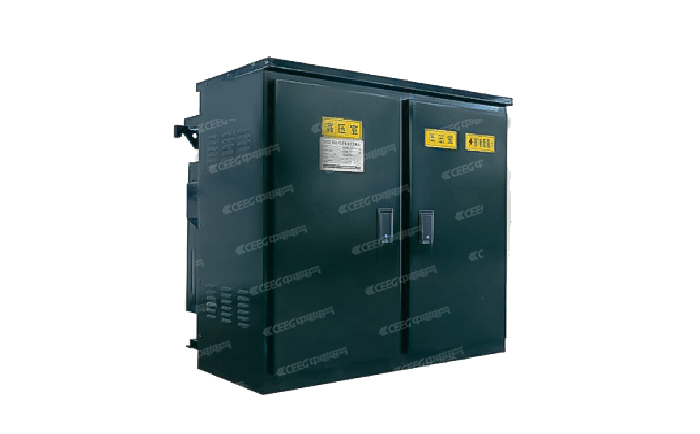
1 - Strong Overload Capability: Capable of continuous operation at 2× load for 2 hours or 1.6× load for 7 hours without affecting service life. 2 - Convenient High-Voltage Connection System: Uses elbow-type plug-in connectors to simplify cable installation and support live operation as a load switch. 3 - Dual Fuse Protection System: Includes BAY-o-net and ELSP fuses for coordinated protection of secondary and primary sides. 4 - High Flash Point Insulating Oil: Uses FR3 high flash point oil to improve fire safety performance. 5 - Integrated Design: All key components are integrated in a single tank for compact structure and easy maintenance.
1. Lower Noise and Higher Safety: Installing equipment underground helps reduce noise pollution and minimizes operational risks by protecting the system from external interference. 2. Better Temperature Control: The underground environment provides more stable and cooler conditions, improving transformer performance, efficiency, and reliability. 3. Space-Saving and Easy Installation: It requires very little surface space (typically less than 6 m² above ground), and most components are prefabricated in the factory, allowing for fast on-site installation and shorter construction time compared to traditional substations.
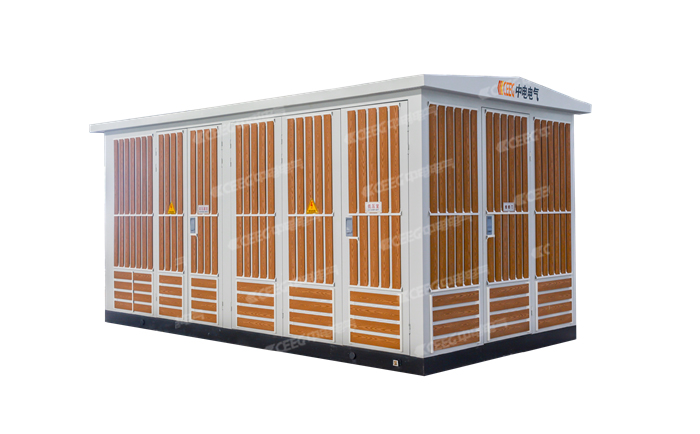
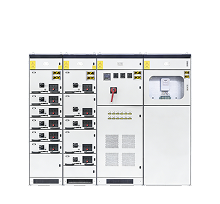
1. Enclosure Structure: The enclosure includes a base, housing, and roof. It is typically made of steel or aluminum materials, designed with ventilation openings and cable entry points to ensure proper heat dissipation and easy cable installation. 2. High-Voltage (HV) Compartment: The HV unit supports both terminal and ring main configurations, with options for overhead or underground cable incoming lines, depending on project requirements. 3. Transformer Compartment: This independent chamber houses the transformer along with temperature control, lighting, and safety protection systems to ensure stable and safe operation. 4. Low-Voltage (LV) Compartment: The LV section distributes power to end users. Its design varies by application—industrial projects may separate power and lighting circuits, while residential use focuses on standard power distribution.
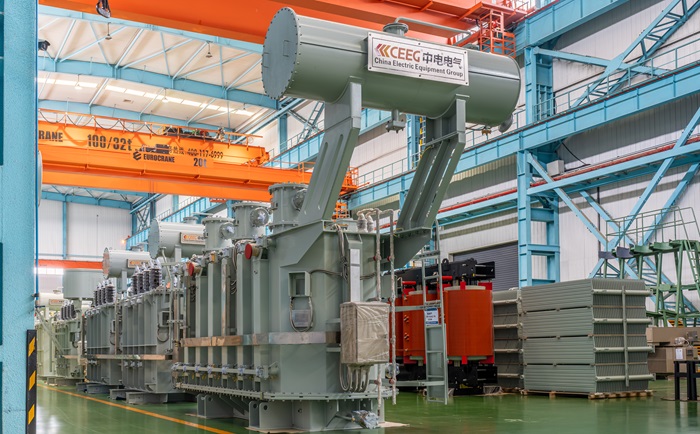
1. Insulation: Transformer oil has much higher dielectric strength than air. When insulating materials are immersed in oil, the insulation performance is improved and moisture intrusion is effectively prevented. 2. Cooling: Oil has good heat capacity and works as a cooling medium. It absorbs heat from the core and windings, circulates through convection, and releases heat via radiators to maintain normal operating temperature. 3. Arc quenching: In on-load tap changers or switching devices, oil helps extinguish arcs quickly. Under high temperature, the oil decomposes and generates gas pressure, which accelerates arc extinction and improves operational safety.
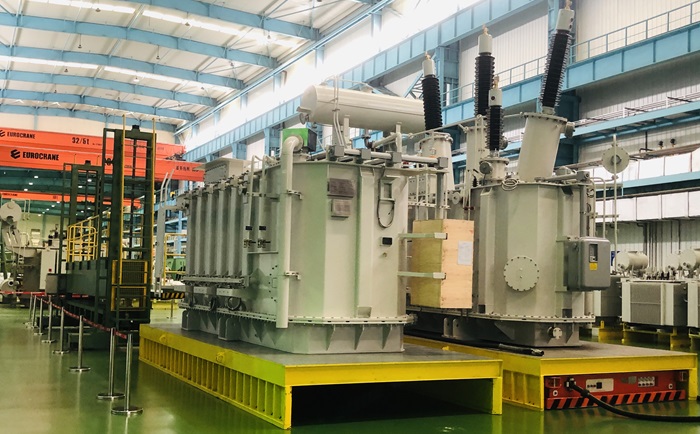
1. Low loss design: Made of high-quality cold-rolled grain-oriented silicon steel with precise automatic core stacking technology, reducing no-load loss and no-load current to achieve high energy efficiency. 2. Low noise operation: Noise is effectively reduced through optimized magnetic flux design, high-quality silicon steel core, precise stacking, strong clamping structure, and vibration reduction measures. 3. Leak-free structure: The tank and conservator undergo strict pressure testing, and high-quality sealing materials are used to ensure reliable anti-leakage performance during operation. 4. Strong short-circuit resistance: Designed with optimized electromagnetic balance, reinforced core clamping, high-strength winding insulation, and compact winding structure to withstand high short-circuit forces safely.