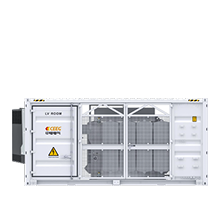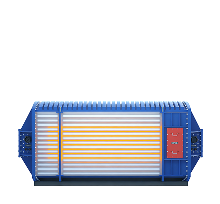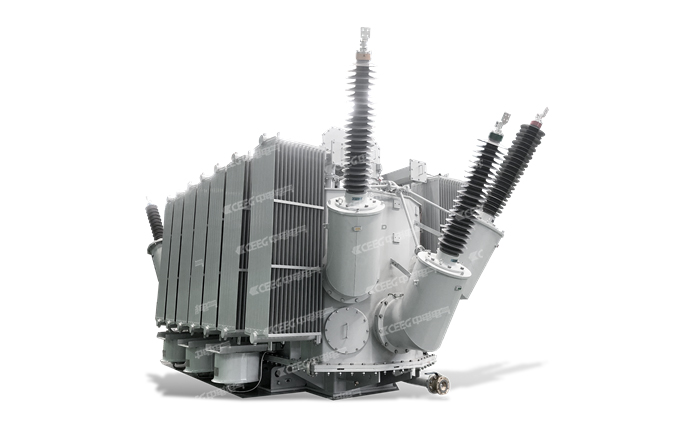
1.Stable long-term operation: Can run continuously for months or even 1–2 years, similar to substation performance. 2.Flexible use: Suitable for both temporary emergency power and long-term project deployment. 3.Strong mobility: Designed for road transportation, adapting to various road conditions safely and reliably. 4.High flexibility: Supports repeated lifting and relocation, ideal for rental and redeployment projects. 5.Easy transportation approval: Can be transported using standard vehicles without special permits. 6.Multi-purpose design: Can be installed on trailers or transported as a complete unit, replacing traditional mobile transformer solutions.
1. General-Type Mining Transformer Oil-immersed design used in coal-dust or methane environments without explosion risk. It is mainly used for power supply and lighting. The structure is compact and rugged, with no conservator tank. Typical capacities include 50, 100, 180, and 320 kVA, with output voltages such as 690/400V or 1200/690V. 2. Flameproof (Explosion-Proof) Transformer Usually dry-type design for hazardous mining areas. It features a flameproof enclosure with high pressure resistance (up to 0.8 MPa). Small units (2.5–4 kVA) are used for equipment like drilling machines and lighting. Larger units (above 100 kVA) can be combined with explosion-proof switchgear to form mobile substations, with output voltages of 400V, 690V, or 1200V.
1. Temperature changes: Large seasonal and day-night temperature differences cause metal expansion and contraction. This reduces the elasticity of sealing gaskets, leading to oil seepage over time. 2. Structural design issues: The tank and cooling system are often independently connected. Uneven stress at flanges and valves can cause uneven gasket pressure and eventual leakage. 3. Vibration effects: Different vibration frequencies between the transformer body and cooling components may loosen bolts at connection points, resulting in oil leakage. 4. Poor sealing quality: Improper sealing structure design, incorrect gasket selection, or aging of sealing materials can all lead to leakage. 5. Welding defects: Cracks or poor-quality welds in the tank structure can create direct leakage paths for transformer oil.
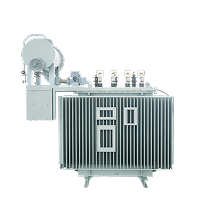
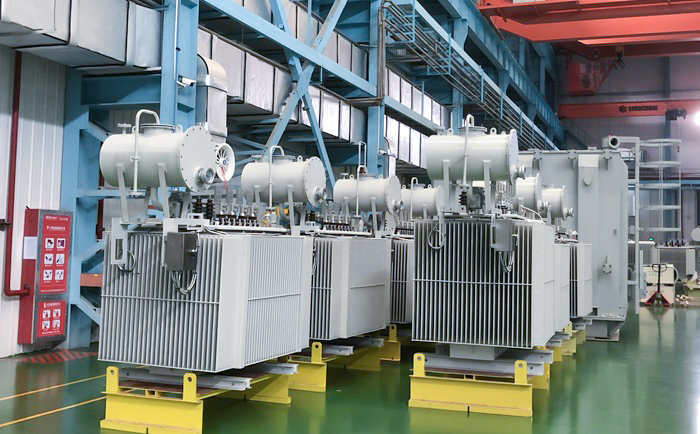
Oil-immersed transformers use transformer oil as both an insulating and cooling medium. The oil provides electrical insulation for the core and windings, and also absorbs and transfers heat generated during operation. Through oil circulation and external cooling radiators, the heat is efficiently dissipated, ensuring stable and safe performance. In addition, the transformer tank is highly sealed with strong protection against leakage and typically has a high ingress protection level, allowing it to withstand outdoor conditions such as rain, wind, and sunlight.
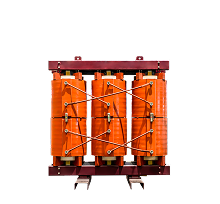
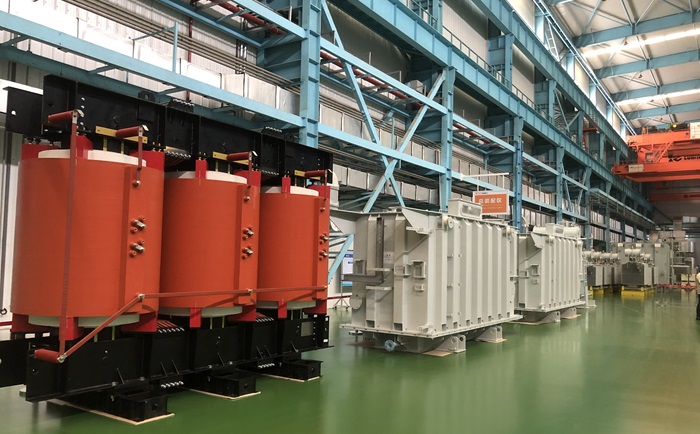
The selection depends on cost, capacity, environment, and safety requirements: Cost & capacity: Dry-type transformers are more expensive, while oil-immersed types support larger capacities. Installation environment: Dry-type is used in indoor, basement, and crowded areas; oil-immersed is suitable for open spaces. Environmental conditions: Oil-immersed performs better in humid locations. Safety requirements: Dry-type is preferred for fire- and explosion-sensitive sites such as hospitals and commercial buildings. Operation: Dry-type runs at rated capacity, while oil-immersed allows short-term overload. In summary: dry-type for high-safety indoor use, oil-immersed for high-capacity and cost-effective outdoor applications.
Oil-immersed transformers can be classified as follows: 1. By Phase Type Three-phase transformers (most commonly used in power systems) Single-phase transformers (can be combined into transformer banks when needed) 2. By Winding Configuration Double-winding transformers (most common type) Three-winding transformers (used for large-capacity applications and multiple voltage levels) Multi-winding transformers (for special system requirements) 3. By Structural Type Core-type transformers (most widely used in power systems) Shell-type transformers 4. By Insulation & Cooling Method Oil-immersed transformers (using oil for insulation and cooling) Dry-type transformers (no oil, used in special environments such as indoor or mining applications)
1. Non-sealed Oil-immersed Transformers Typical models: S8, S9, S10 series Applications: Widely used in industrial plants, agriculture, and residential buildings for general power distribution. 2. Sealed Oil-immersed Transformers Typical models: S9, S9-M, S10-M series Applications: Suitable for harsh environments such as oil, chemical, and industrial sites with dust, oil mist, or corrosive substances. 3. Fully Sealed Oil-immersed Transformers Typical models: BS9, S9-, S10-, S11-MR, SH, SH12-M series Applications: Used in industrial, agricultural, and civil power distribution systems, offering better protection and lower maintenance requirements.